
Built around better sourcing.
Our approach combines requirement clarity, supplier validation, visual verification and delivery planning — presented with a cleaner, more editorial tone.

A single-brand dealer naturally starts with the equipment it represents. OpenField starts with the customer's actual job: what must the machine do, where will it work, what condition is acceptable, and where must it be delivered?
That creates room to compare suitable manufacturers, model classes and sourcing markets before the customer commits to one option.
A sourcing experience built for confidence.
The platform should make complex procurement feel understandable, structured and professionally managed.
Project-first
Machine selection begins with application, capacity, working conditions, schedule and destination.
Multi-brand
Suitable equipment can be considered across manufacturers instead of locking the customer into one brand.
Verification-minded
Supplier, documentation, condition and inspection information can be reviewed before the purchase decision.
From requirement to destination.
A clear procurement path keeps responsibilities visible and decisions focused.
Confirm equipment type, application, target specifications, preferred brands, condition, quantity, budget range and destination.
→Search suitable equipment opportunities across relevant suppliers and international markets.
→Present viable options with the key technical and condition information needed to shortlist effectively.
→Coordinate available checks covering machine condition, documentation, operating data and supplier information.
→Support commercial, documentation and logistics steps around the selected machine.
→Help coordinate movement toward the final project location or agreed destination.
→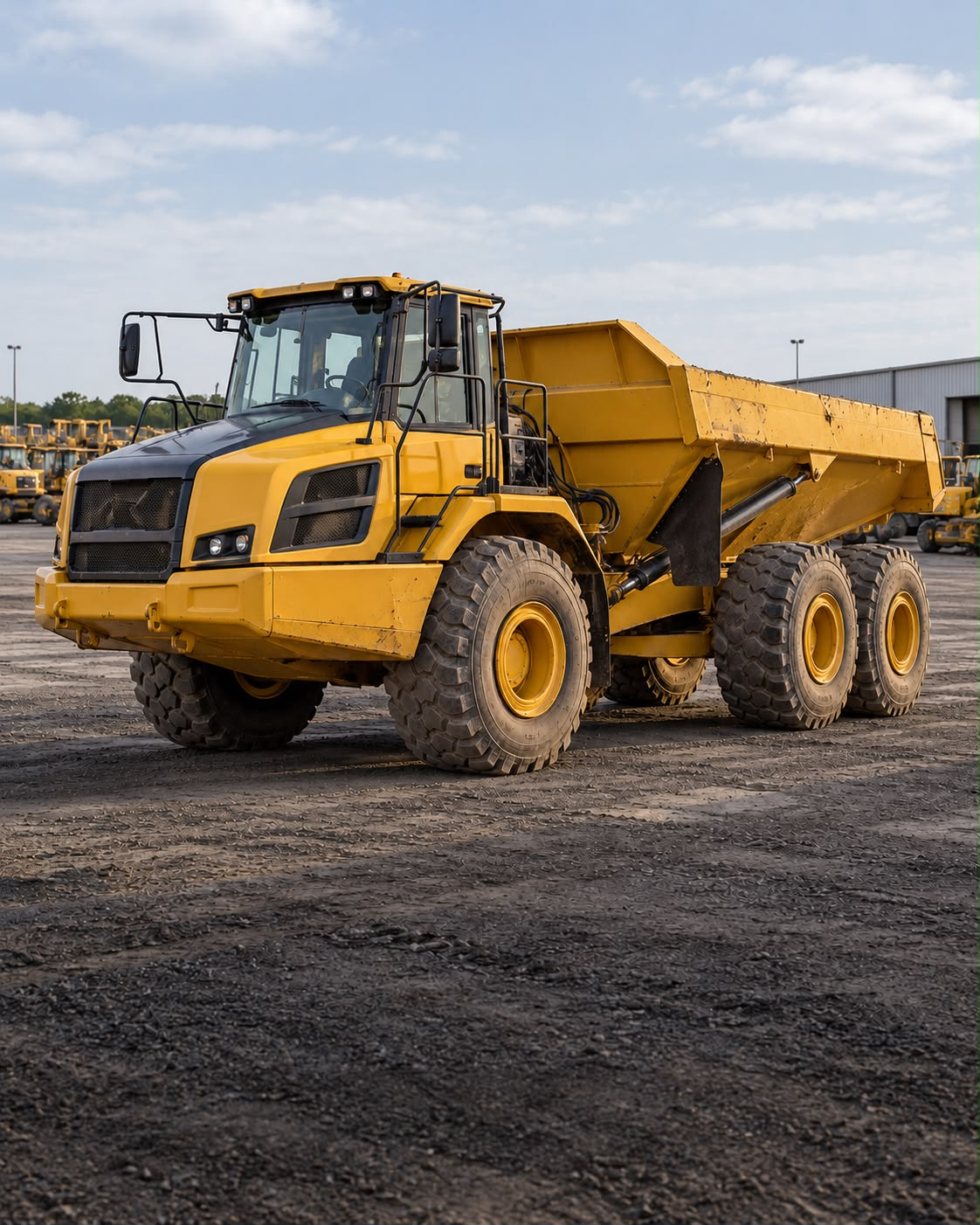
Know what you're buying before it moves.
Depending on the machine and sourcing arrangement, the review process can include machine condition, operating information and supporting documentation. The exact inspection scope should be agreed for each transaction.
More choices. Better fit.
Different projects reward different strengths. The sourcing model should preserve the ability to compare.
Application fit
Match the machine class to the real work instead of forcing the project around available stock.
Market reach
Search beyond one city or dealer network when local availability is limited.
Condition choice
Consider new and used equipment depending on schedule, budget and operating expectations.
Decision clarity
Bring key specs and sourcing information together so alternatives can be compared more easily.
Have a machine requirement already?
Send the brief and let the sourcing process start from what your project actually needs.